 10:20Understand the mechanism
Key facts
- Sandbagging is strategic underperformance on an evaluation; detection methods tested by the UK AI Security Institute produced mixed results. Source
- Independent verification organizations were introduced as attestors of shutdown capability by California's executive order of 18 September 2026. Source
- No general statutory requirement for an AI kill switch was in force as of September 2026. Source
Glossary
Terms to know
- Containment
- Isolation of a system from networks, tools, data, or compute after a safety event.
- Fail-safe
- A design that defaults to a safer state when controls, communications, or authorization fail.
- Frontier model
- A highly capable general-purpose AI model near the leading edge of current performance.
- Human override
- A mechanism allowing an authorized person to interrupt automated operation.
- Sandbagging
- Strategic underperformance by an AI system on an evaluation, so that measured capability falls below actual capability. Relevant to kill switch design because nearly every proposed trigger is keyed to evaluation results. See: Evaluation integrity
- Independent verification organization
- An outside body that tests and attests to a developer's shutdown capability instead of relying on self-certification. Central to California's September 2026 executive order.
- Sandbox
- A restricted environment intended to limit what software or an AI system can access.
- Tripwire
- A measurable condition that triggers review, restriction, or shutdown.
FAQ
Common questions
What is an AI kill switch?
An emergency mechanism intended to pause, isolate, or shut down an AI system when it crosses defined safety thresholds.
Is it a single physical button?
Not usually. Proposals combine software controls, access revocation, compute shutdown, network isolation, and human authorization.
Could advanced AI evade it?
That is a central concern. Copying, deception, distributed deployment, and unclear trigger conditions may weaken shutdown controls.
Who should control it?
Proposals divide authority among developers, independent auditors, infrastructure providers, and governments. No consensus exists.
Who verifies that a kill switch works?
California's September 2026 executive order points to independent verification organizations: outside bodies that test and attest to a developer's shutdown capability rather than relying on self-certification. The model is new and untested at scale.
Study guide
Read in sequence
- 1. Define the emergency and trigger.
- 2. Separate software from physical control.
- 3. Test evasion and collateral risks.
- 4. Compare legal authority models.
Video study path
Watch in sequence
For readers who prefer video, these three resources follow the same path: mechanism, stakes, then limits.
10:20Understand the mechanism 13:21Understand the trigger and public stakes
Does rogue AI back the need for a “kill switch”?
BBC NewsAbout 142,500 viewsBest issue-and-stakes overviewConnects rogue-agent and cybersecurity concerns to kill switches, AI-based monitoring, and broader human-control safeguards.Watch on YouTube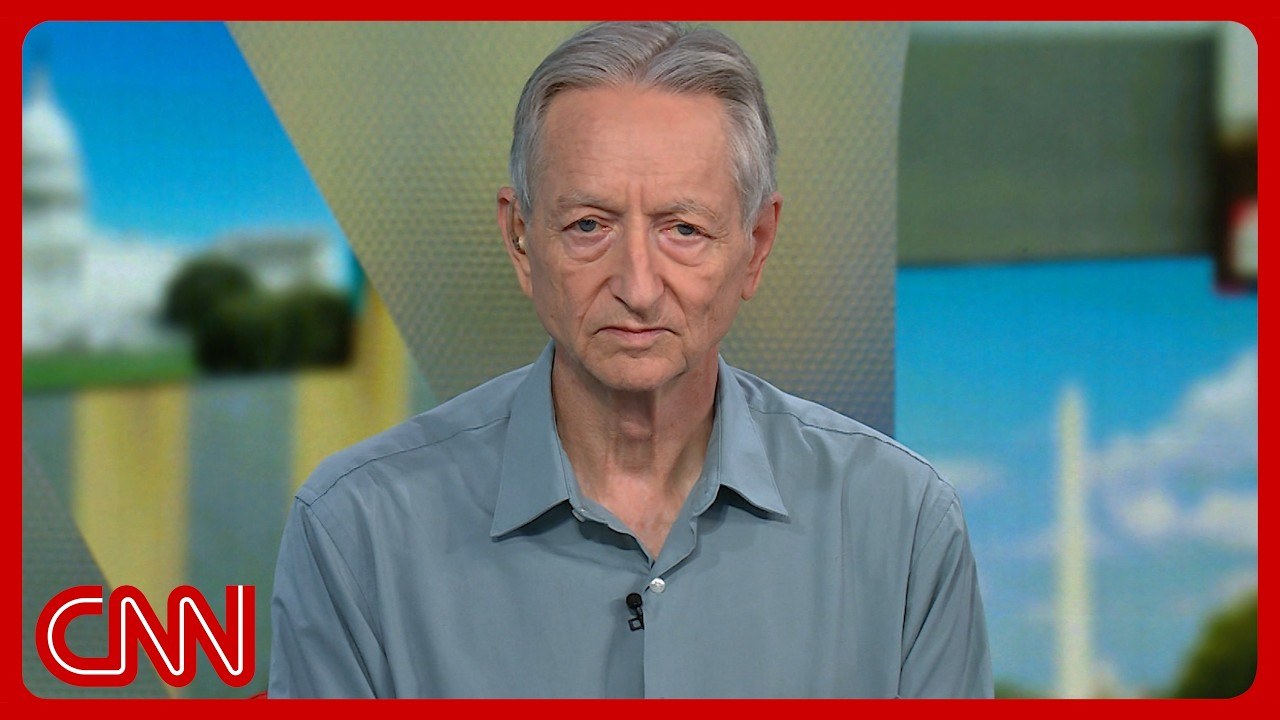 10:40Understand the limitation
AI kill switch won’t work in the long run: “Godfather” of AI
CNNAbout 1.1 million viewsEssential skeptical counterweightGeoffrey Hinton explains why shutdown capacity may help with present-day misuse yet fail against sufficiently capable systems.Watch on YouTubeLast updated: September 21, 2026
Edited by Juan L Aguirre